Platform Design, Not User Posts, Is Breaking Big Tech's Legal Shield
For 30 years, Section 230 kept social media firms untouchable. A new legal theory targeting intentional design choices may have just changed that.
The Shield That Just Cracked
For three decades, Section 230 of the Federal Communications Decency Act has functioned as the tech industry's get-out-of-jail-free card. Under its broad protections, platforms could not be held responsible for what users posted. The strategy worked flawlessly, case after case. Then came March 2026, and two juries in two states decided the game had changed.
Within 24 hours, Meta was found liable in both Los Angeles and New Mexico. The Los Angeles verdict also ensnared YouTube. The immediate financial exposure is real but, on its own, manageable for companies of this scale. What matters far more is the legal theory that produced these outcomes.
Design as the Weapon, Not Content
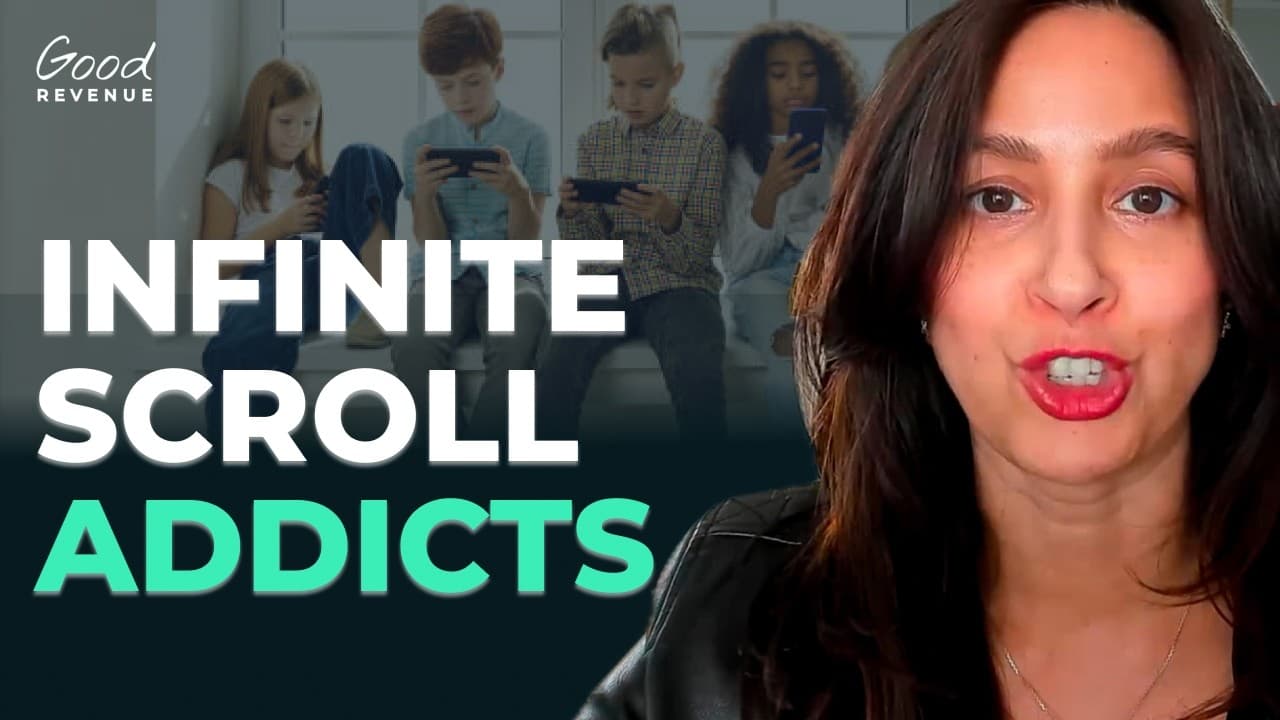
The plaintiffs' lawyers made a deliberate shift in strategy. Rather than arguing that harmful posts or messages caused damage, they argued that the platforms themselves were built to cause it. Addictive recommendation algorithms, inadequate age verification, design features that maximize engagement at the expense of user safety: these are choices made in product meetings, not accidents of user behavior. And critically, they fall outside the traditional scope of Section 230.
A Los Angeles jury agreed, finding Meta responsible for 70 percent of compensatory damages and Google for the remaining 30 percent in a case brought by a 20-year-old woman who alleged that childhood social media addiction damaged her mental health. The jury then went further, finding evidence of malice, oppression, or fraud, which opens the door to punitive damages. Analysts expect that figure to be substantially larger than the initial $3 million award.
In New Mexico, the evidence was more visceral. The state attorney general ran an undercover investigation, creating fake profiles posing as minors. Those accounts were exposed to sexually explicit content and contacted by adults seeking to exploit them. Internal company documents and testimony from former Meta employees supported the conclusion that the platform's design not only failed to prevent this but actively enabled it. The jury ordered $375 million in civil penalties. While that sum barely registers against Meta's trillion-dollar-plus market cap, the verdict marked the first time a jury held the company directly accountable for its design decisions. A bench trial phase in early May could add to the total.
Why This Is a Bigger Deal Than the Numbers Suggest
The financial exposure from these two cases is, by itself, manageable for Meta. The company has spent heavily defending itself and will appeal both verdicts, likely pushing the cases toward the Supreme Court. Meta continues to argue it operates robust safety systems, a position neither jury found persuasive.
The real stakes are structural. Thousands of plaintiffs are waiting in the pipeline: individuals, school districts, and state attorneys general who have all filed similar claims. A major consolidated trial involving Meta, YouTube, Snap, and TikTok is scheduled for San Francisco later in 2026. Each plaintiff can now point to two jury verdicts validating the design-liability theory. Precedent, once established, compounds.
New Mexico is also pushing for something beyond money. The state wants a court order requiring Meta to change how its platform actually works. If that succeeds, other states with similar laws have a ready template. The implication is that tech platforms could face a patchwork of mandatory design requirements across multiple jurisdictions, a compliance challenge of an entirely different order than writing a check.
What Comes Next
These verdicts do not automatically dismantle Section 230. Appeals courts and ultimately the Supreme Court will have the final word on where the design-liability theory runs out. But the plaintiffs have now proved the argument works with ordinary jurors, which changes the calculus for settlement negotiations, insurance underwriting, and investor risk assessments across the sector.
The era in which social media companies could treat safety as a reputational problem rather than a legal one may be ending. Two juries, in two states, in two days, have suggested that the design of a platform is a product decision like any other, and product decisions carry liability. Good Revenue will continue tracking these cases as the punitive damages phase in Los Angeles and the bench trial in New Mexico develop in the months ahead.
Sources & Further Reading
- LA Trial: Meta & YouTube Found Liable for Social Media Addiction
- Meta & YouTube Liable — NYT Analysis
- New Mexico Trial: Meta Ordered to Pay $375M for Child Safety Violations
- Meta $375M Child Safety Penalty — CNBC
- Meta New Mexico Child Safety Violations — NYT
- Kids & Teens Harmed by Instagram and Facebook — AG Lawsuit
- Inside the Social Media Youth Addiction Trial