OpenAI's IPO Dream Is Colliding With Its Own Chaos
A courtroom battle over a stolen charity, a CFO at war with her CEO, and a $500 billion infrastructure deal unraveling. Can OpenAI go public with all of this hanging over it?
The Worst Possible Time for a Legal Circus
OpenAI is trying to go public in 2026. It is also, simultaneously, the defendant in a high-profile fraud trial, managing a very public feud between its CEO and CFO, quietly retreating from a $500 billion infrastructure commitment, and trailing its own user growth targets. That is a lot of drag for a company trying to convince public-market investors it is the future of artificial intelligence.
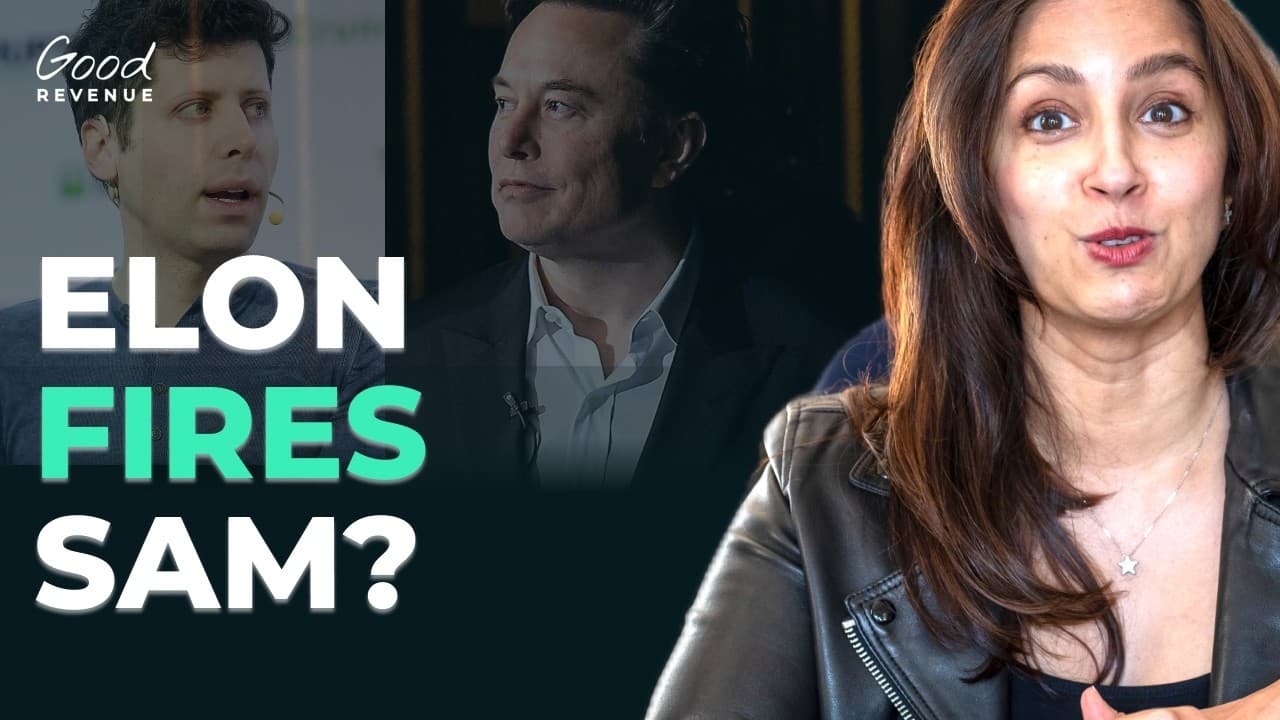
The trial in Oakland is the most theatrical piece of this. Elon Musk, who co-founded OpenAI in 2015 and contributed $38 million before departing, alleges that CEO Sam Altman and co-founder Greg Brockman effectively stole a charity. His legal team argues that the founding promise was clear: OpenAI would operate as a nonprofit, keep research open, share patents, and prioritize public benefit over profit. By the time Microsoft poured billions into the company and locked up its intellectual property through licensing, Musk's team contends that promise had been quietly discarded.
OpenAI's lawyers counter that none of those commitments were ever formally recorded, and that Musk's real motivation is competitive spite. He left the company, they argue, and only found religion on the nonprofit question once he had his own AI product to sell. The court has been shown diary entries from Brockman that Musk's lawyers say reveal a knowing plan to restructure the organization away from its stated mission. OpenAI disputes that reading.
The judge, for her part, was already admonishing Musk before jury selection about tweeting, which does not suggest this proceeding is going smoothly for the plaintiff.
The CFO Problem Nobody Wants to Talk About
Here is the more quietly damaging story: OpenAI's own finance chief does not appear to believe the company is ready to go public, and she has been saying so loudly enough to end up in the news.
Sarah Friar was reportedly demoted in August 2025 after pushing back on the IPO timeline, concluding the business was not in sound enough shape. New reporting suggests she is now raising concerns specifically about compute spending, the very category where Sam Altman has made his biggest bets. The Stargate deal, the data center commitments, the multi-hundred-million-dollar partnerships: all of it sits in that bucket, and the CFO thinks the balance sheet is overextended.
A public disagreement between a CEO and CFO is a governance red flag in any industry. In the context of an IPO roadshow, it is close to disqualifying. Institutional investors do not write checks into companies where the two people most responsible for financial strategy are not aligned on what the company has already spent.
Stargate Quietly Deflates
The $500 billion Stargate initiative was announced with considerable White House fanfare roughly a year ago. It was meant to signal that OpenAI was not just an AI company but an infrastructure empire. That framing now looks premature.
OpenAI has pulled back from at least two major European commitments and appears to be scaling down activity in Texas as well. Several senior figures tied to the project have left for Meta. Rather than owning the compute it needs, OpenAI is increasingly leasing it, a structurally different and financially less impressive posture. The ambition remains on paper; the execution has clearly shifted.
What Anthropic Is Doing Right
None of this means Anthropic is without problems. It launched a product called Mythos AI that was quickly reported as compromised, and it is navigating a Pentagon ban even as the Department of Defense wants access to its tools. But Anthropic's enterprise business appears more coherent and its financials more defensible than OpenAI's at this moment.
The irony is hard to miss. OpenAI, the company that made AI a household concept and triggered a global technology arms race, may be getting outmaneuvered in the IPO race by a quieter rival that simply focused on building a sustainable revenue base.
What Comes Next
The trial is expected to run several more weeks and will include testimony from Microsoft CEO Satya Nadella. A settlement remains possible but seems unlikely given the personalities involved. What matters for markets is whether the accumulated pressure of the lawsuit, the internal disagreements, the missed targets, and the Stargate retreat forces OpenAI to delay its IPO or attempt to push through on a compromised foundation.
Either outcome carries costs. A delay buys time but cedes narrative momentum. A rushed IPO into public scrutiny, with a CFO on record doubting the business, is the kind of debut that tends to define a company for years afterward, rarely in a good way.
Sources & Further Reading
OpenAI vs Elon Musk Lawsuit and Trial Breakdown
- Full Court Filing Revealed OpenAI vs Elon Musk Legal Document Breakdown
- AP News Elon Musk OpenAI Trial Key Moments and What Happens Next
- Reuters Key Takeaways From Elon Musk Testimony in OpenAI Trial
- Elon Musk Cross Examination
- USA Today Elon Musk OpenAI Lawsuit Timeline and Inside Story Explained
- Elon Musk vs OpenAI Trial Explained What Elon Left Out
OpenAI History Mission and Company Origins
OpenAI Business Strategy IPO and Growth Concerns
AI Industry Projects and Stargate Debate