Oracle Dodges a Bill, and Paramount Might End Up Paying It
A gas pipeline delay in New Mexico triggered a legal escape clause at Oracle, and the ripple effects are touching private credit, junk-rated debt, and a $111 billion media merger.
Oracle just did something big tech companies rarely do in public: it admitted a project might not go according to plan. The company filed force majeure on Project Jupiter, its $165 billion AI data center build in New Mexico, citing gas pipeline delays that have stalled Bloom Energy fuel cells in regulatory limbo. Oracle insists it is not abandoning anything. It is simply protecting itself from cost overruns. Markets were not persuaded. Oracle shares fell 4 to 5%, and the pain spread to its partners.
That reaction tells you something important. Force majeure is a legal tool, but here it is functioning as a signal. As Neeta Bidwai lays out in this episode of Good Revenue, the clause allows Oracle to delay payments and freeze rent hikes if the facility misses its 2028 target. That sounds like prudent risk management. But it also means the companies financing this project, most notably Blue Owl Capital, get squeezed.
Why Blue Owl Feels It More
Blue Owl earns a 9% yield while Project Jupiter is under development and 11% once it is finished. A delay does not just push back a deadline, it extends the lower-yield period and postpones the payday investors were counting on. Blue Owl stock, already down about 45% this year and trading around $9.20, fell further on the news. Bloom Energy shares dropped too. This is happening against a backdrop of mounting pressure across private credit more broadly, so Project Jupiter's hiccup is landing on already nervous investors.
Oracle's own position makes the story more precarious. Unlike Nvidia, which has managed to run circular financing arrangements successfully, Oracle has struggled to pull off the same trick. It is carrying $18 billion in debt tied to Project Jupiter, debt that is trading at a stressed 89 to 91 cents on the dollar. Its credit rating sits one notch above junk. Larry Ellison reportedly shelved a planned $7.5 billion share sale earlier this month. One analyst quoted in the episode put it bluntly: Oracle is in the most tenuous cash position of all the major hyperscalers.
The Paramount Connection
Here is where the story stops being an Oracle problem and becomes an everybody problem. Santander and Jefferies, the banks underwriting Oracle's stressed debt, are also underwriting Paramount's $49 billion in financing for its acquisition of Warner Brothers Discovery. That financing carries uncapped interest rates. If Oracle-linked credit spreads keep widening, Paramount could find itself paying significantly more to get its own deal across the line, at the worst possible moment.
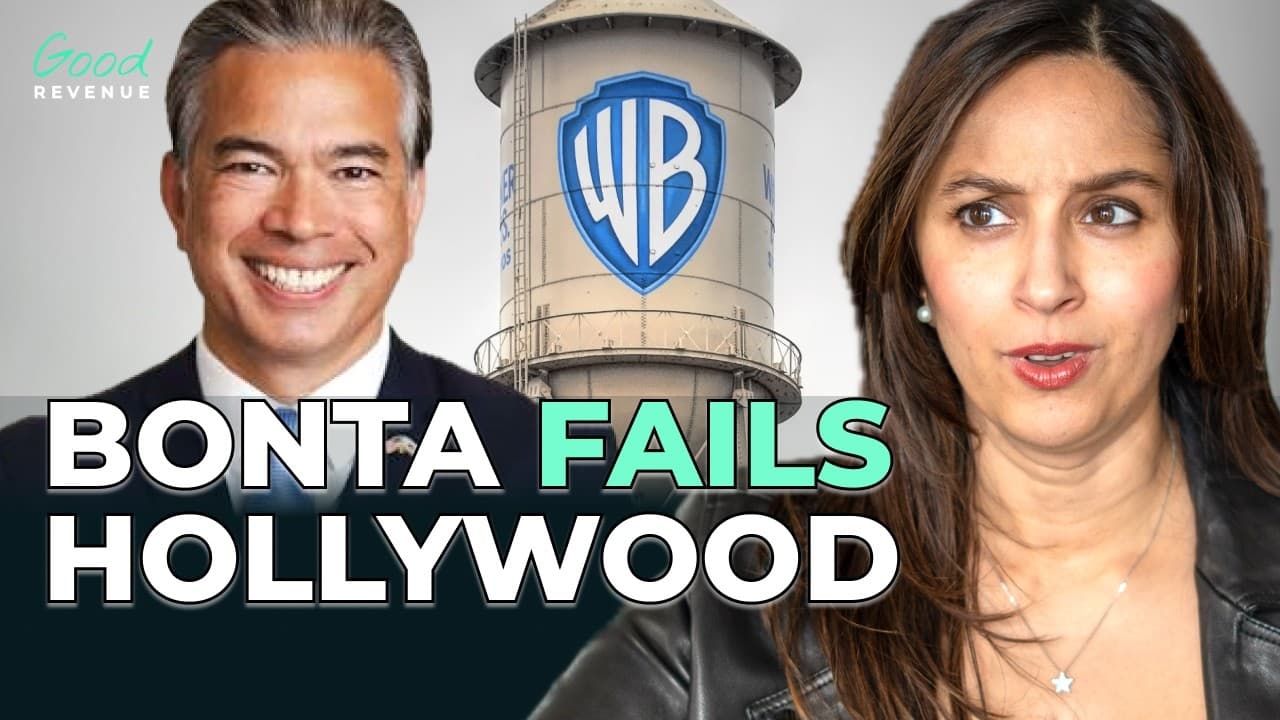
Paramount is already navigating turbulence on another front. A judge declined to sign off on a settlement California Attorney General Rob Bonta announced earlier in the week, leaving the merger's legal path unsettled. The clock is also ticking financially. October 1st is the deadline; miss it, and Paramount starts owing Warner Brothers Discovery roughly $7 million a day.
The Takeaway
None of these problems exist in isolation. A permitting delay in New Mexico has found its way into a media merger's financing costs through a shared web of lenders and credit exposure. That is the real lesson here. In a market this leveraged and this interconnected, a stalled fuel cell delivery can become everyone's headache. Whether Paramount closes its deal on time may depend less on Hollywood boardrooms and more on how quickly Oracle's New Mexico data center gets its permits sorted out.
Sources & Further Reading
Oracle's Project Jupiter Fallout
Private Credit Risk And Blue Owl's Decline
AI Financing And Market Contagion