The UAE Quit OPEC and It Could Lower Your Gas Bill
The UAE just walked out on 60 years of OPEC membership mid-war. Whether that spells relief at the pump depends on a Saudi grudge match and a blockade with no end in sight.
A 60-Year Relationship, Ended on May Day
There is something deliberately timed about the United Arab Emirates choosing May 1, 2026, to announce its exit from OPEC. It is the international day of labor solidarity, and the UAE has just told the world's most powerful oil cartel that it is done doing the group's heavy lifting on someone else's terms.
The departure ends a 60-year membership. It is not a divorce born of ideology but of arithmetic. The UAE currently produces somewhere between three and three and a half million barrels of oil per day. It wants to be at five million. Saudi Arabia, OPEC's dominant voice, will not allow it. That fight has been simmering inside the cartel for years. The UAE has finally decided to stop arguing and start pumping.
The Worst Possible Moment, Chosen on Purpose
Here is the counterintuitive part: the UAE has picked this moment precisely because, right now, its exit does the least damage to itself and the most damage to those who would punish it for leaving.
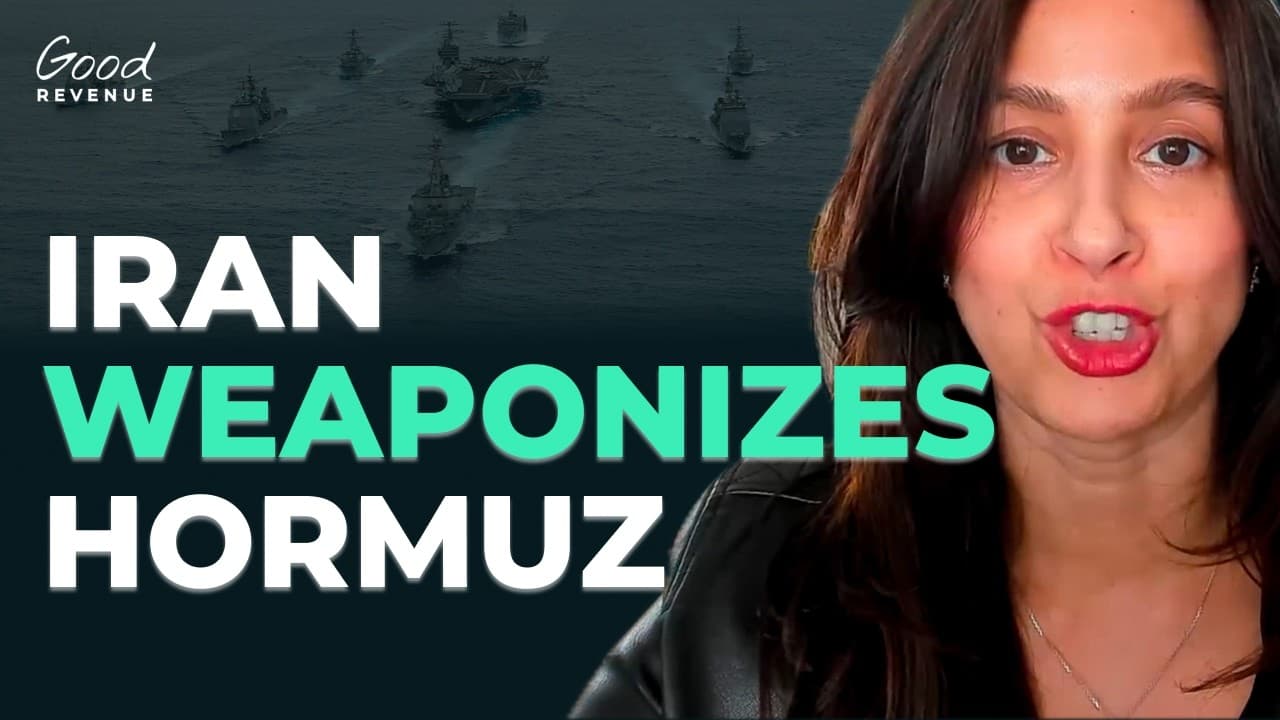
The Iran war, raging since February 28th, has produced one staggering side effect for global energy markets. Iran's effective blockade of the Strait of Hormuz has taken roughly 20% of the world's daily oil supply off the table. Ships are stranded in and around the Gulf. Brent crude is trading near $110 a barrel. Gas prices in the United States have hit their highest point since 2022, and the US is energy independent. The pain for everyone else is considerably worse.
In that environment, the UAE's decision to signal a future ramp-up in production is almost background noise. The market is too preoccupied with the blockade to punish Abu Dhabi for the announcement today. By the time UAE production actually rises toward that five-million-barrel target, possibly as early as 2027, the geopolitical picture may look very different.
Why the UAE Is in a Hurry
Neeta's argument in this episode cuts to the strategic logic underneath the move. The UAE is not just annoyed at Saudi Arabia. It is racing against a clock that most Gulf states have been reluctant to acknowledge publicly.
Peak oil demand is approaching. China, the world's largest importer of crude, has made extraordinary strides in electrification over the past several years. The current Hormuz crisis, whatever its resolution, is almost certainly accelerating that shift in every energy-importing country that has watched helplessly as a distant war wrecked its fuel costs. Every government that did not want to think seriously about energy independence is now thinking about little else.
The UAE wants to monetize its reserves while buyers still want them at scale. Waiting inside OPEC's quota system while that window shrinks is not a strategy. It is a slow loss.
The Saudi Response and What Breaks Next
The exit will not go unanswered. Analysis from the Council on Foreign Relations suggests Saudi Arabia is likely to respond with a price war, flooding the market to punish the UAE and deter other members from following its lead. This is a move the Saudis have deployed before, and it is genuinely painful for smaller OPEC members whose budgets depend on oil prices staying well above current breakeven levels.
The problem for Saudi Arabia is that the UAE is one of the wealthier sovereign players in the region. It can absorb a period of lower prices more comfortably than, say, Nigeria or Iraq. Which means a retaliatory price war may end up fracturing OPEC more broadly, accelerating the very outcome Riyadh was trying to prevent.
If that fracture deepens, the medium-term result could be substantially more oil supply hitting global markets and meaningfully lower energy prices for consumers.
The Catch
None of that happens soon. The UAE's production ramp takes time. A Saudi price war, if it comes, takes time to play out. And between now and any of that resolution, the Strait of Hormuz remains partially blocked, hundreds of ships are stuck in limbo, and the Iran war is still officially a "policing endeavor" in the Persian Gulf, depending on who is doing the briefing.
The diplomatic signal worth watching is the latest Iranian proposal sent through Pakistan. No details are public yet, but the fact that another proposal has emerged at all suggests the US Navy's suppression of the shadow fleet, which has cut off the sanctioned oil lifeline propping up Tehran's economy, is doing real work. Iran can only reroute about 40% of what it was previously shipping. That pressure compounds.
Relief at the pump, if it comes from the OPEC fracture, is a 2027 story at the earliest. For now, the UAE's exit is a signal about where the oil market is heading, not where it is today.
Sources & Further Reading
Hormuz Strait crisis Iran US tensions and global oil trade threat
- Strait of Hormuz crisis oil blockade fears and global trade risk
- Iran US Israel conflict impact on global economy and steel exports
- Live ship tracking Strait of Hormuz monitor global oil chokepoint
- Real time Hormuz Strait monitoring military and shipping risks
- UAE Fujairah pipeline strategy bypass Hormuz reshapes oil routes
- Latest Iranian peace proposal dismissed
Middle East defense escalation Israel UAE and regional security
Iran China military intelligence satellite targeting US bases
China sanctions evasion and shadow oil network explained
UAE exits OPEC global oil shock and cartel breakdown