Dubai Is Already Building Around the Hormuz Crisis
The US has blockaded Iranian ports and slapped a 20% toll on Hormuz traffic. One Gulf state isn't waiting to see how it ends.
A Toll on the World's Most Critical Waterway
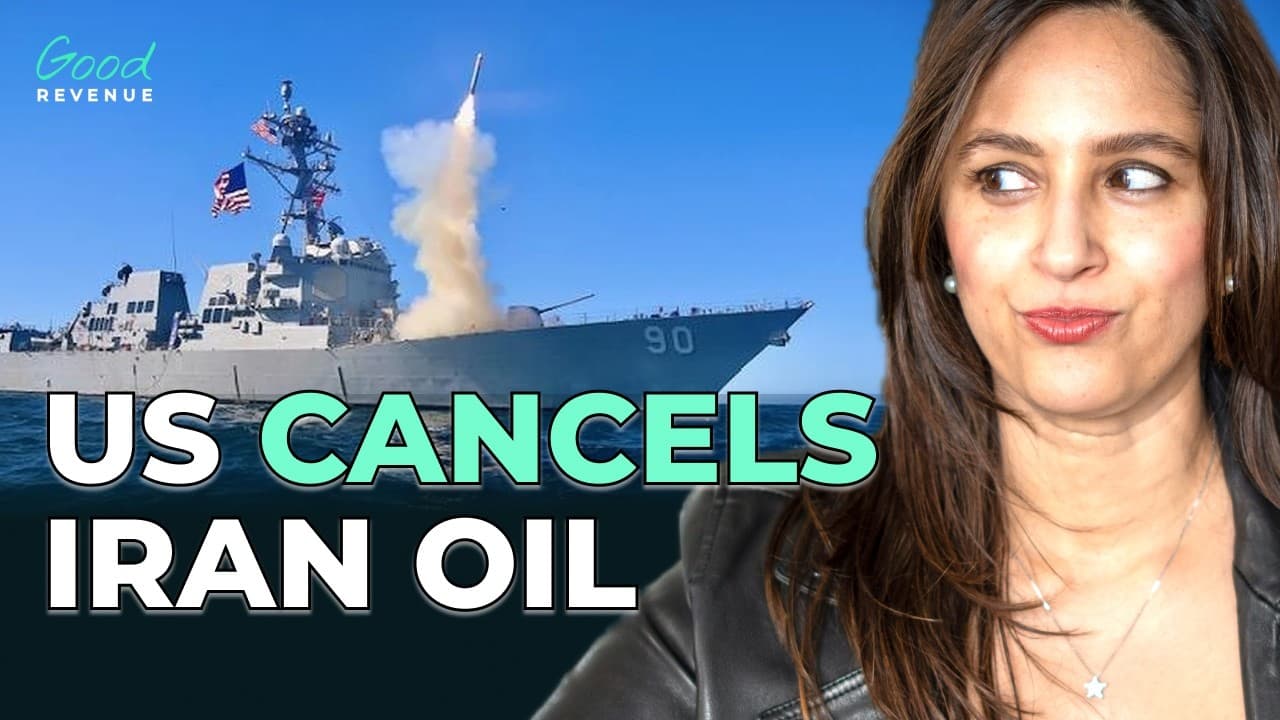
When the United States announced a blockade of Iranian ports on July 13th, the headline number was not the military action itself. It was the 20% fee the US president said would be charged on cargo passing through the Strait of Hormuz, framed under a program called the Guardian of the Hormuz Strait. About 20% of the world's oil supply moves through that chokepoint. Charging a toll to use it is not a routine act of war. It is an economic restructuring of global shipping, imposed by executive announcement.
Oil prices read the room immediately. Brent Crude and West Texas Intermediate both surged past $80 per barrel, the highest level in roughly a month. Stocks and bonds dropped. AI stocks extended an existing sell-off. The market's message was unambiguous: this is not a contained regional skirmish.
The War That Won't Resolve
To understand why markets reacted so sharply, it helps to know how long this has been building. The current US-Iran conflict kicked off on February 28th and has been running hot ever since. CENTCOM has struck Iranian air defense systems, radar sites, missile and drone capabilities, and naval vessels. Iran has retaliated with strikes on US assets and allies across the Gulf. As of July 13th, that exchange of strikes has been essentially continuous for a week.
The blockade, effective July 14th at 4pm Eastern, formally closes Iranian ports to maritime traffic while allowing other vessels to pass through regional waters. The 20% toll is the more structurally disruptive element. Whether it can be enforced at scale, and whether trading partners will comply or route around it, are the questions that will define the next phase of the conflict's economic fallout.
Dubai Is Not Waiting for Answers
Here is the detail that cuts through the noise: while the US and Iran are locked in a military and economic standoff, the UAE is already engineering its way out of dependence on the strait entirely.
A report in the Financial Times, referenced in this episode, reveals that DP World, the operator of Dubai's major Jebel Ali port, is planning to build a new port and container terminal on the UAE's eastern coast. The geography matters. That eastern coastline faces the Gulf of Oman, which sits outside the Strait of Hormuz. Ships using that port would bypass the strait altogether.
The calculation is straightforward. The on-again, off-again nature of Hormuz security has been the dominant commercial risk for Gulf trade since February. For a port operator whose business depends on predictable cargo flows, building an alternate route is not a strategic luxury. It is a business necessity.
The UAE's Broader Pivot
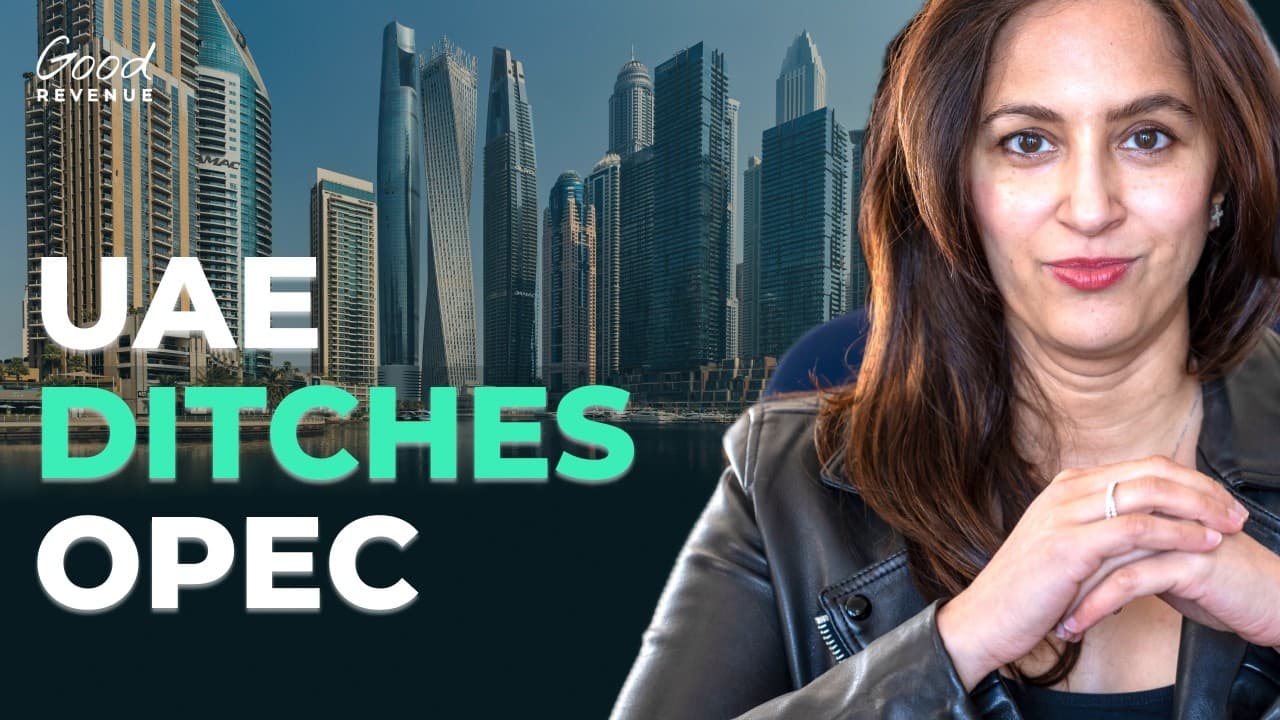
The eastern port plan does not exist in isolation. In May 2026, the UAE announced it was leaving OPEC after decades of membership. That decision removed Saudi Arabia and the broader cartel's influence over UAE pricing decisions. The UAE can now sell oil at whatever price it chooses, to whoever it chooses, under whatever arrangements it negotiates independently.
Taken together, the OPEC exit and the Hormuz bypass port sketch a coherent strategy: reduce structural dependence on Gulf consensus, reduce exposure to the strait's vulnerability, and position Dubai as a trading hub that functions regardless of what happens between the US and Iran.
What It Means Going Forward
The 20% Hormuz toll will face immediate legal and diplomatic challenges. Whether it holds in its current form is genuinely uncertain. But the underlying pressure it represents, that the strait is no longer a reliably neutral corridor, is already reshaping infrastructure investment decisions across the region.
As Neeta notes, anyone in the Gulf thinking clearly about the near and medium term is now planning for alternate routes and regional security hedges. Dubai is simply the most visible example of that planning made concrete. The question for other regional players, and for the shipping companies and insurers who price Hormuz risk daily, is how quickly they follow.
The blockade is the news. The bypass port is the signal.
Sources & Further Reading
US Naval Blockade and Hormuz Toll
CENTCOM Strikes and Iran Retaliation
Gulf Shipping and the Dubai Port Bypass